
 Home
 About Us
 Products

 Aluminum Gas Cylinder


Horizontal or Vertical Pressure Vessel: Plan the Layout Before Ordering
By Ever Winner · Procurement guide
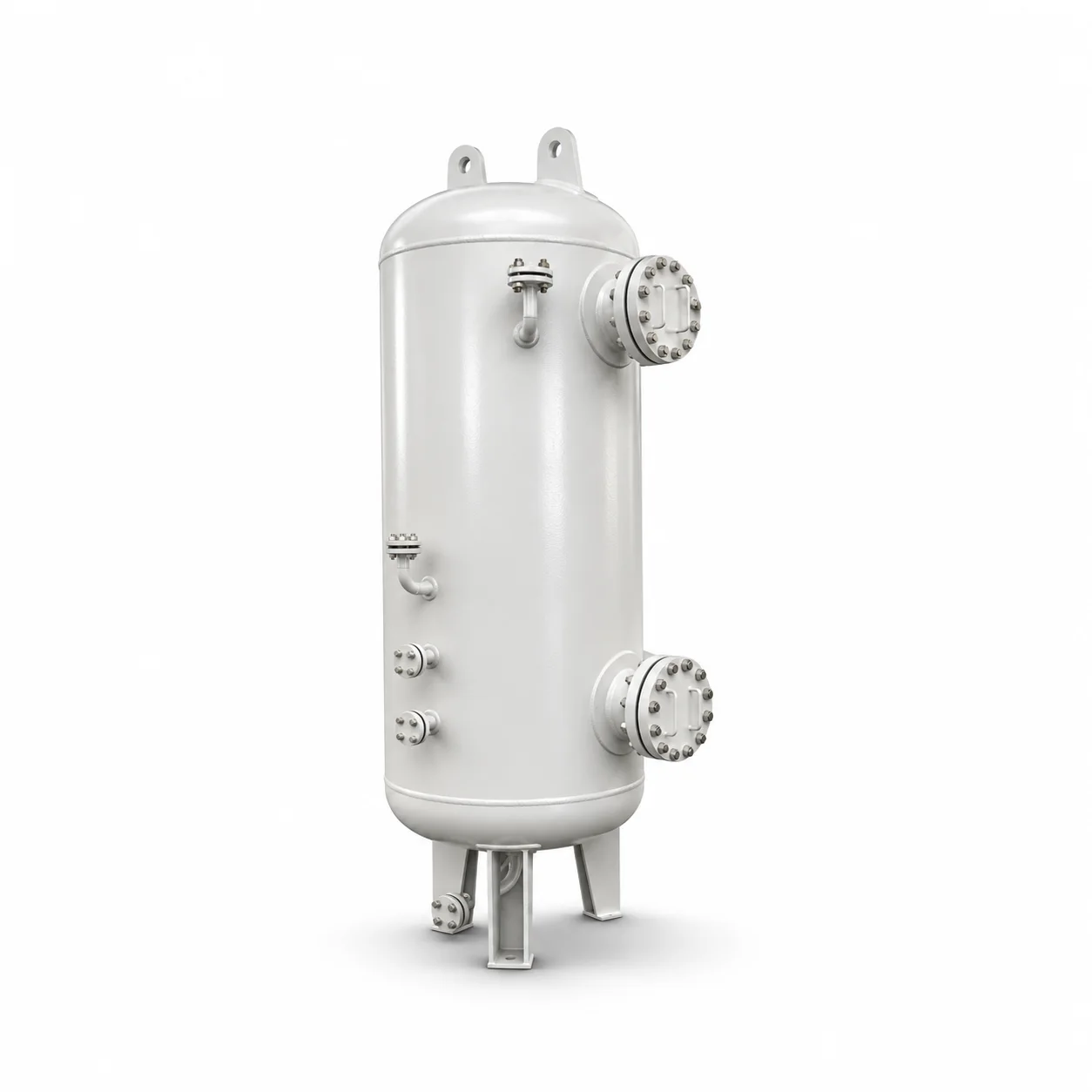
Ever Winner lists both vertical pressure vessels and horizontal pressure vessels with end connections. The orientation is a visible difference, but a useful purchasing comparison also needs the project layout, connection positions and delivery constraints.
Neither orientation should be selected from a photograph alone. The purpose of an early layout review is to tell the equipment supplier which dimensions and interfaces the project must accommodate before a configuration is quoted.
Document the space available
Provide a dimensioned layout showing the proposed location and any fixed limits. Record the available floor area and height, together with nearby structures or equipment that affect access. Identify whether these dimensions are confirmed or provisional.
A simple marked site plan is often more useful at the enquiry stage than an instruction to supply a vessel that “fits the room.” The project team should determine the clearances, supports and installation requirements applicable to its design; share those requirements with the supplier rather than asking for them to be inferred from a site photograph.
Compare interfaces on a drawing
| Layout topic | Information to send for either orientation |
|---|---|
| Installation envelope | Dimensioned space and fixed height or length limits |
| Connections | Required positions, reference sizes and project drawing |
| Access | Project-defined access points and clearance requirements |
| Support interface | Available civil or support drawings and review responsibilities |
| Delivery route | Site approach, receiving location and dimensional restrictions |
| Assembly scope | Items supplied with the vessel and items supplied by the project |
Separate vessel orientation from service requirements
The intended medium, capacity and operating conditions still need to be specified for the exact vessel. A horizontal and a vertical catalogue entry are not equivalent merely because both are described as pressure vessels.
Likewise, a connection arrangement illustrated on one model does not establish what will be supplied on another. Use the current drawing for the quoted configuration and record any proposed changes before order confirmation.
Include the delivery route in the early review
Tell the supplier about known restrictions between the delivery point and proposed installation location. Provide the project team’s handling and receiving requirements where available. Request the transport dimensions and shipment scope for the selected configuration.
For larger equipment, distinguish the assembled product dimensions from the dimensions of the shipment being proposed. If any items are to be supplied separately, ask for them to be identified in the packing list and quotation scope.
Keep responsibilities and revisions visible
Record which party will review the equipment drawing, civil interface, connections and receiving arrangements. Identify the revision of each drawing used for the quotation. If the site layout changes, send the revised information before treating an earlier offer as final.
The pressure vessel category provides starting points for a shortlist. Contact Ever Winner with the model references and layout constraints so we can coordinate the equipment information required for your project review.
Previous: 175 L to 210 L Cryogenic Cylinders: A Procurement Comparison Checklist
Next: No Data