
 Home
 About Us
 Products

 Aluminum Gas Cylinder


40 L vs 50 L Seamless Gas Cylinders: What Should Buyers Compare?
By Ever Winner · Procurement guide
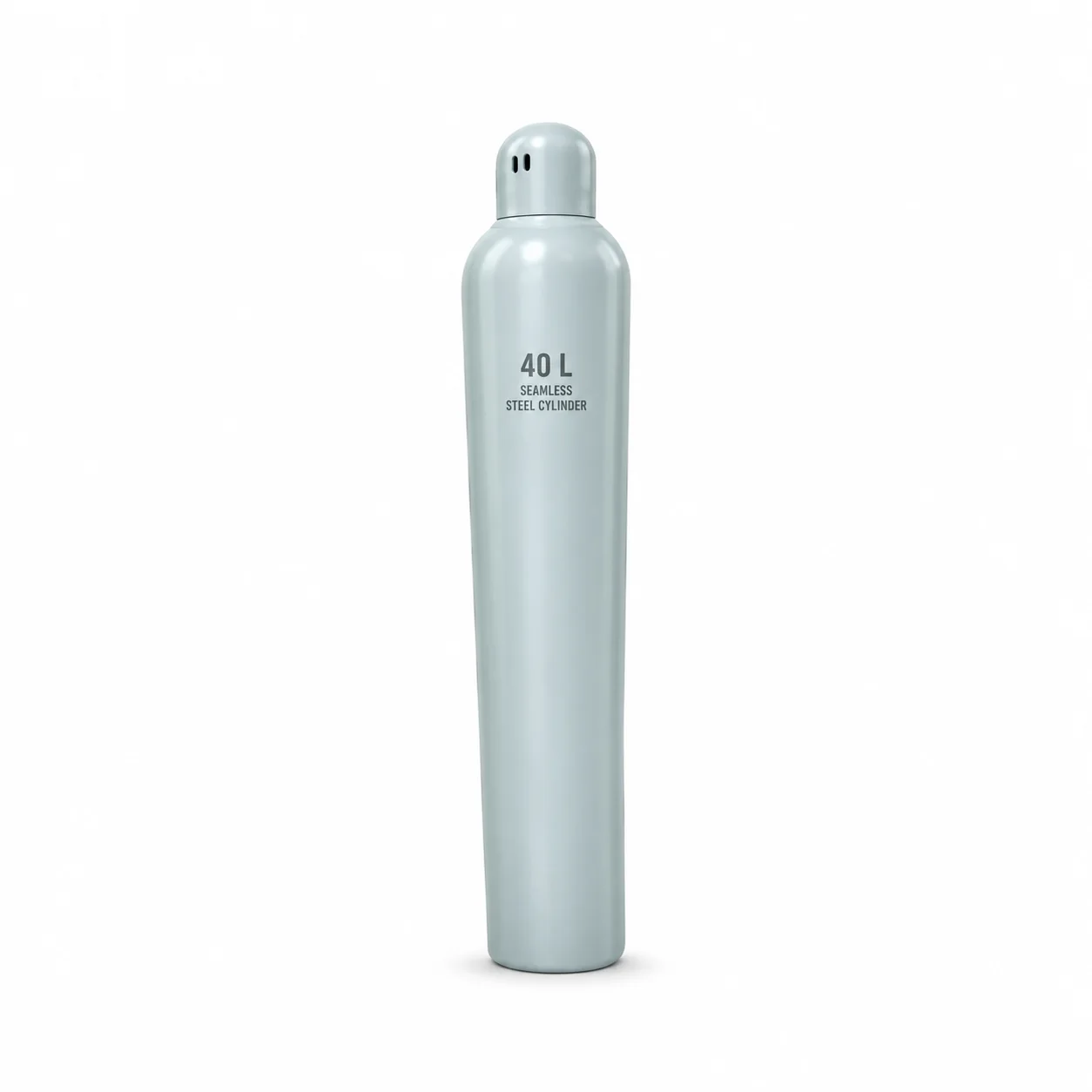
Ever Winner lists both 40 L seamless steel gas cylinders and 50 L seamless steel gas cylinders. For procurement, the litre designation is a starting point for identifying a model. It does not answer every question about gas service, rated pressure, connections or physical fit.
A useful comparison keeps the same application and quotation scope for both candidates. Ask for the current model-specific information before deciding which cylinder to include in an order.
Separate the capacity reference from the application
Tell the supplier what the litre figure in your specification refers to, and ask for confirmation against the drawing or data sheet. Do not treat the catalogue capacity designation as a direct statement of the quantity of gas available for your process.
State the intended gas service, destination market and whether the cylinders are intended for a new installation or replacement stock. Your filling or technical team should identify the specifications that the selected cylinder must satisfy.
Build a comparison sheet for the exact models
| Comparison item | 40 L candidate | 50 L candidate |
|---|---|---|
| Model and drawing revision | Request current reference | Request current reference |
| Specified gas service | Confirm for this model | Confirm for this model |
| Pressure ratings | Request documented values | Request documented values |
| Overall dimensions and weight | Confirm quoted configuration | Confirm quoted configuration |
| Valve, neck connection and cap | Identify exact references | Identify exact references |
| Documentation and packing | List included scope | List included scope |
The table deliberately leaves technical values to the selected model documents. A rating or dimension from one cylinder should not be copied into the comparison column for another.
Check the dimensions that affect your existing equipment
Send the dimensional limits of any rack, storage position or handling arrangement that must be retained. Identify whether a quoted height includes the valve and protective cap. Ask whether the quoted weight refers to the cylinder body or the complete supplied assembly.
These small differences in quotation language can make two proposals appear comparable when their supply scopes differ. A marked drawing is more useful than a general instruction to provide a “standard 40 L” or “standard 50 L” cylinder.
Keep valve and cap requirements explicit
List the required connection and valve references rather than relying on a photograph. If you already have approved equipment, include its specification or reference drawing. Ask the quotation to state whether valves and caps are included, supplied separately or excluded.
When both sizes are being considered for one project, ask for two clearly identified model lines. Keep quantities, accessories, documents, marking and packing requirements visible for each line instead of combining them into a single general description.
Evaluate delivery scope before comparing totals
A purchasing comparison should also identify the delivery destination, proposed shipment scope, packing and required delivery window. Request confirmation of the documents available for each selected model. Share any destination-specific requirements identified by your own project team.
Browse the high-pressure seamless cylinder category, then request a model-by-model comparison. Ever Winner can coordinate the product information and quotation scope needed for your procurement review.
Previous: LPG Cylinder Valves and Protective Collars: A Bulk Order Checklist
Next: Industrial Gas Cylinders, Drums and Tanks: Match the Enquiry to the Medium